Cotton
Updated Aug 19, 2026 12 mins read
Edited by Urša Satler
Cotton is the fiber people picture when they hear "natural," and for once, the instinct is right. Cotton really is a natural fiber, full stop. But "natural" only answers what cotton is. It says nothing about how it was grown, and that's where the honest conversation happens: one that's been buried for decades under some remarkably durable myths, on both the pro-cotton and anti-cotton sides.
This page covers what cotton actually is, what it's like to wear, why some cotton costs four times as much as other cotton, and what the conventional-vs-organic choice really changes, with the recycled statistics left out.
Key takeaways
- Cotton is a genuine natural fiber: nearly pure cellulose that grows as a fluffy hair around the cotton seed and is simply cleaned, combed, and spun; never chemically dissolved and rebuilt.
- The famous claim that cotton uses "25% of the world's insecticides" traces back to early-1990s estimates. Industry data compiled in 2021 puts cotton at roughly 5% of global pesticide sales and about 10% of insecticides, still outsized for its land area but a fraction of the myth.
- Cotton's water problem is real but almost entirely about where it's grown. Rain-fed cotton in a wet region and irrigated cotton in a desert are different products wearing the same label.
- Organic cotton changes the farming, not the fiber. The strand is identical; the field is not. Verify with GOTS or OCS, not with the word "organic" alone.
- Blends are where honesty leaks. A little polyester or elastane changes how a "cotton" garment breathes, sheds, recycles, and ages; read the fiber-content tag, not the product name.
Is cotton a natural fiber?
Yes, unambiguously. Textile classification puts fibers in three buckets: natural fibers, which are grown by a plant or animal and only cleaned, combed, and spun; pure synthetics like polyester and nylon, made from oil; and the in-between "regenerated" fibers like viscose and modal, which start as plants but get dissolved in chemicals and rebuilt into thread.
Cotton sits squarely in the first bucket. The fiber grows as a soft hair around the seeds of the cotton plant. After harvest, a gin pulls the fiber off the seeds, and the fiber is cleaned, combed, and spun into yarn. Nothing is dissolved, nothing is rebuilt: the strand in your T-shirt is the same cellulose strand that grew in the field. That's the same club as linen, hemp, wool, and silk.
It's also the biggest member of that club by far. Cotton makes up roughly a fifth of all fiber produced worldwide; polyester overtook it decades ago, but no natural fiber comes close.
One thing worth saying plainly, because "natural" gets used as a badge: natural describes the fiber's origin, not its footprint. A natural fiber can be grown carelessly, and a careless label can hide a blend. Both problems have fixes, covered below.
How does cotton wear?
Cotton earned its ubiquity honestly. A few properties explain it:
- Breathability. Cotton is hydrophilic (it interacts with moisture instead of repelling it), so it moves sweat vapor away from your skin rather than trapping it against you the way polyester can. Next to your skin on a warm day, that's most of what "comfortable" means.
- Absorbency. Cotton soaks up moisture readily. That's why it dominates towels, underwear, and T-shirts. The flip side: it dries slowly, and once soaked it clings and chills; hikers have a grim saying about cotton in cold, wet backcountry for exactly this reason.
- Durability. Cotton takes abrasion well and, unusually, is roughly 10–20% stronger wet than dry: the opposite of viscose, which weakens when wet. That means cotton tolerates decades of hot washing better than most fibers. Heavier, denser cotton fabrics (think 200+ gsm jersey, canvas, denim) can last many years.
- Shrinkage. Untreated cotton typically shrinks a few percent (up to about 5%) on its first hot wash and tumble-dry, because spinning and weaving leave tension in the yarn that heat and moisture relax. "Pre-shrunk" or "sanforized" fabric has had that relaxation done at the mill. Washing cool and air-drying keeps any cotton closer to its bought size.
- Wrinkles. Cotton creases. "Non-iron" or "wrinkle-free" cotton means a resin finish has been applied, and those finishes have historically been formaldehyde-based; one more reason a plain, un-finished cotton is the simpler product.
If you're weighing cotton against linen for hot weather, we've compared them directly in the linen vs cotton summer guide.
What does staple length tell you about quality?
Not all cotton is the same cotton, and the single biggest quality lever is staple length: how long each individual fiber is. Longer fibers spin into smoother, stronger, finer yarns with fewer loose ends poking out, which means softer fabric and less pilling.
| Tier | Typical staple | What it's sold as | What it means |
|---|---|---|---|
| Upland (short–medium staple) | roughly 25–30 mm | Ordinary "100% cotton" | About 90% of the world crop; everyday tees, denim, sheets |
| Extra-long staple (ELS) | about 35 mm and up | Pima, Supima, Egyptian Giza, Sea Island | A different species; smoother, stronger, pricier; a few percent of world production |
Two label caveats. "Egyptian cotton" is an origin claim, not a staple guarantee: Egypt grows famous ELS varieties, but the phrase on a hangtag doesn't prove you're getting one. In 2016, Target cut ties with the textile maker Welspun after determining that sheets sold as Egyptian cotton weren't. Supima, by contrast, is a trademark for American-grown Pima with a licensing program behind it, which makes the claim harder to fake.
Is ELS worth the money? For things you feel directly and wash constantly (dress shirts, sheets, fine knits), the smoothness and pilling resistance are real. For a workhorse tee or canvas jacket, good upland cotton at a decent fabric weight matters more than staple pedigree.
Does cotton really use a quarter of the world's insecticides?
No, and this may be the most-repeated out-of-date statistic in fashion. The claim that cotton consumes "25% of the world's insecticides" (sometimes "10–11% of all pesticides") traces back to estimates from the early 1990s. It has been copy-pasted through sustainability articles ever since, decades after it stopped being true.
The corrective came in 2021, when the Transformers Foundation (a denim-industry body) published a report tracing the stat to its source and replacing it with then-current industry data: as of 2019, cotton accounted for roughly 4.7% of global pesticide sales and about 10% of insecticide sales.
What changed? Mostly Bt cotton: varieties genetically modified with a gene from the soil bacterium Bacillus thuringiensis, which makes the plant itself lethal to bollworm caterpillars, historically cotton's worst pest and the reason for most spraying. Bt varieties now dominate the crop in the United States, India, and China, and roughly three-quarters of the world's cotton area is planted with GM varieties. Peer-reviewed field studies in China and India documented insecticide-spray reductions of half or more where Bt cotton replaced conventional varieties.
Honesty requires the caveats too:
- Resistance and secondary pests are eroding the gains. Pink bollworm resistant to Bt toxins is an established problem in India, and Chinese fields saw outbreaks of mirid bugs (pests the Bt toxin doesn't touch) as broad-spectrum spraying fell.
- Bt says nothing about weeds or fertilizer. Most GM cotton also carries herbicide-tolerance traits, and herbicide use has not fallen the way insecticide use has. Conventional cotton also leans heavily on synthetic nitrogen fertilizer.
- Cotton's share is still disproportionate. Around 10% of the world's insecticides on a crop occupying roughly 2–3% of arable land is not a clean record; it's just not the fictional 25%.
So the fair summary: conventional cotton's chemical load is real, meaningfully lower than it was in the 1990s, and unevenly distributed by region. Anyone still quoting the 25% figure is telling you how old their sources are.
How much water does cotton actually use?
You've probably seen the claim that one cotton T-shirt "takes 2,700 liters of water." That number is a global average water footprint, and most of what it counts is rain that fell on fields: water that would have fallen whether or not cotton was planted there. Averaging rain in Brazil with canal irrigation in Uzbekistan produces a number that describes no actual shirt.
The honest version: cotton is a relatively drought-tolerant crop, roughly half the world's cotton area relies on rain alone, and around 60% of U.S. cotton acreage receives no irrigation at all. Water becomes a genuine crisis when thirsty irrigation meets a dry region, and cotton owns the textbook case. Soviet planners diverted the two rivers feeding the Aral Sea to irrigate cotton and other crops, and the sea lost the vast majority of its water in a few decades: one of the worst environmental disasters of the twentieth century.
So "does cotton waste water?" has no single answer. It depends on where the cotton grew and how it was irrigated; information almost no garment discloses. Certifications don't settle this one either: organic-vs-conventional water comparisons are contested and depend far more on rain-fed versus irrigated fields than on the farming system.
Conventional vs organic: what actually changes?
Everything above describes the crop in general. Organic cotton changes how the crop is farmed:
- No synthetic pesticides or synthetic fertilizers. Pest control leans on crop rotation, beneficial insects, and naturally derived treatments, including sprays of the natural Bacillus thuringiensis bacterium, which is permitted in organic farming even though the Bt gene in GM seed is not.
- No genetically modified seed. Organic standards prohibit GM varieties outright.
- Soil-first practices. Rotation and organic matter instead of bagged nitrogen.
What organic does not change: the fiber. A 100% organic cotton strand is chemically and physically identical to a conventional one: same cellulose, same staple physics, same shrinkage. You cannot feel the difference; that's why verification matters.
Organic is also still a niche: on the order of 1–2% of the world cotton crop. Because supply is small and price premiums invite fraud, the word "organic" on a label means little without a chain of custody. Two certifications do that job:
- GOTS verifies organic fiber content and the processing chain (dye chemistry, wastewater, and labor conditions) from field to finished garment. The "organic" grade requires at least 95% certified organic fiber; 70–94% earns the made with organic materials grade.
- OCS verifies organic fiber content and custody only: no processing or labor requirements.
Fairtrade cotton attacks a different problem: farmer income, with minimum prices and community premiums, plus restrictions on the most hazardous pesticides. It complements the organic standards rather than replacing them.
Why blends quietly change the deal
Here's where a lot of "cotton" garments stop being what you think you bought.
Cotton-polyester is the workhorse blend of cheap apparel, often 50/50 in budget tees. The polyester share cuts cost, shrinkage, and wrinkling, but it also sheds plastic microfibers in the wash, drops the breathability and absorbency you wanted cotton for, and makes fiber-to-fiber recycling close to impossible with current technology. A 50/50 tee marketed with a leaf icon is trading on cotton's reputation while delivering half a polyester shirt.
Cotton-elastane (spandex/Lycra) is subtler: just 2–6% elastane adds stretch to jeans and fitted tees. The catch is that elastane is usually the first fiber to die; heat, chlorine, and time break it down, which is why stretch jeans bag at the knees while the cotton around them is still fine. The smallest number on the tag often decides how the garment ages.
You'll also see cotton blended with modal or viscose for drape and softness; those are semi-synthetic fibers with their own story, covered in their own guides.
None of this makes blends dishonest by definition; sometimes the engineering trade is worth it. What's dishonest is the word cotton doing the marketing while the blend does the shedding. The fix is thirty seconds of label reading.
How to read a cotton label
The law is on your side here. In the U.S., the Textile Fiber Products Identification Act (enforced by the FTC) requires garments to list fiber content by generic name and percentage, in descending order; the EU has an equivalent rule. The product name can say almost anything; the fiber-content tag cannot.
- "100% cotton" means what it says for the fabric body (trims like thread and elastic bands are treated separately).
- "Cotton-rich," "cotton-touch," "natural blend," "eco": no legal definition. Ignore the adjectives, find the percentages.
- "Organic" should come with a certification logo and a license number you can look up; GOTS and OCS both maintain public databases. A brand that claims organic without naming its certifier is asking you to take farming claims on faith.
- Staple-quality claims: "Supima" is trademarked and licensed; "Egyptian cotton" is an origin claim that has been faked at scale.
- OEKO-TEX Standard 100 on a cotton item tests the finished fabric for harmful residues. It says nothing about how the cotton was farmed; useful, but a different question than GOTS answers.
For the full method (including the tricks brands use to keep percentages off the page), see how to read material labels.
So is conventional cotton an honest choice?
Often, yes, and it's worth saying so plainly, because "not organic" gets treated as a verdict. A 100% conventional cotton garment, honestly labeled, is a natural fiber that breathes, lasts through years of hot washes, sheds no microplastics, and (dyes and prints aside) biodegrades at end of life. Organic cotton is the better-farmed version of the same fiber, and worth the premium when it's certified and available; but with organic at 1–2% of world supply, insisting on it for everything mostly means buying claims nobody verified.
A defensible order of operations: prefer 100% cotton (or as close as possible) over blends; prefer certified organic when the label backs it with GOTS or OCS: our organic cotton t-shirt guide is the shortcut; prefer heavier, denser fabric you'll keep for years; and wash cool, which saves the garment and the energy bill at once.
That's also how this site treats cotton: every product on MaterialFilter shows its exact verified fiber composition, so "cotton" here means a number, not a vibe.
Live picks: prices and availability updated Sep 24, 2026
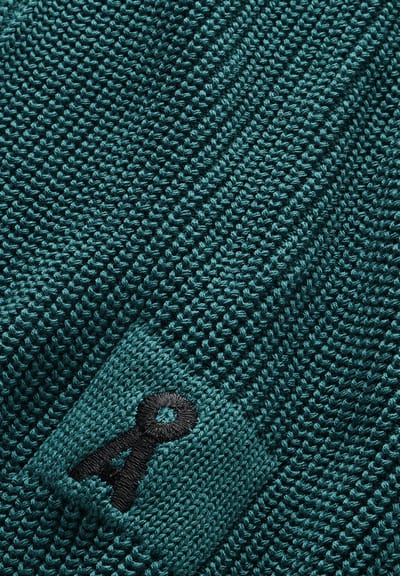
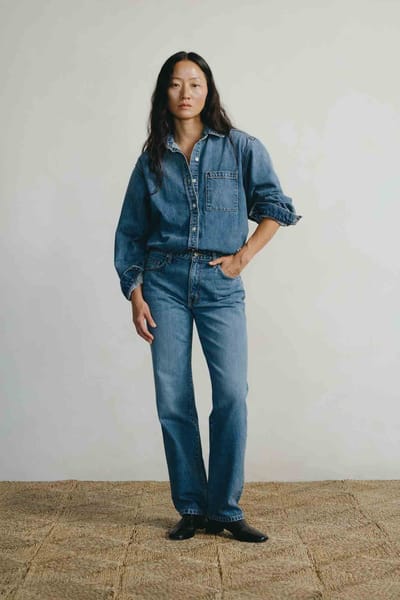
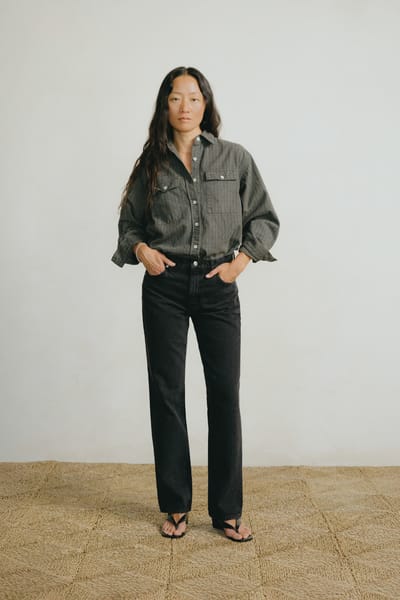
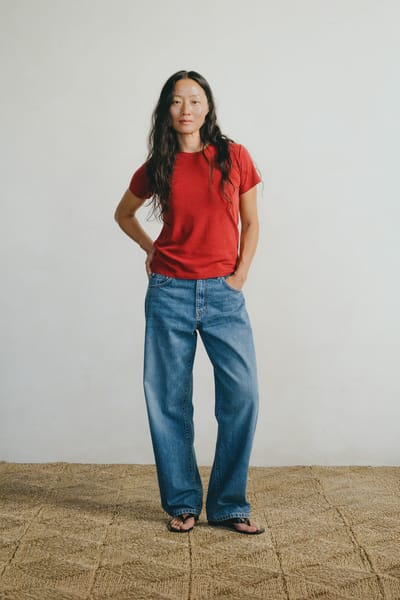
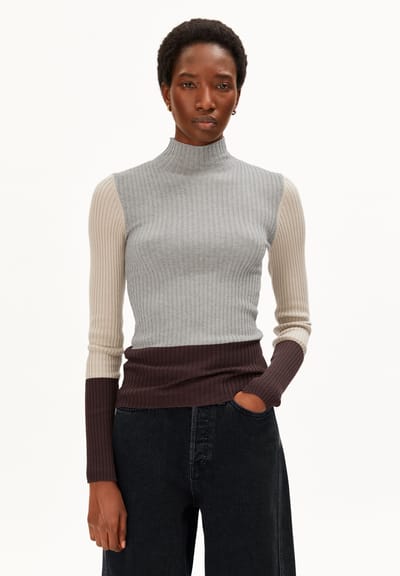
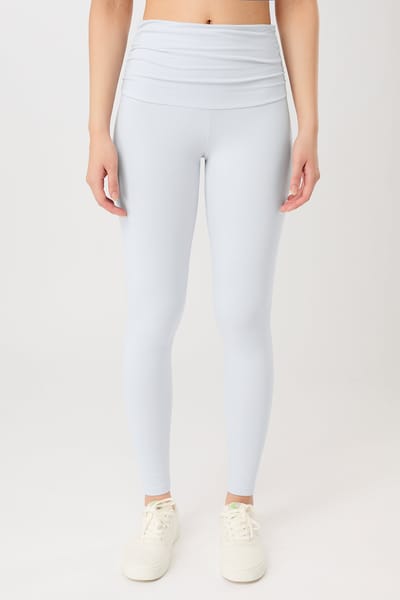
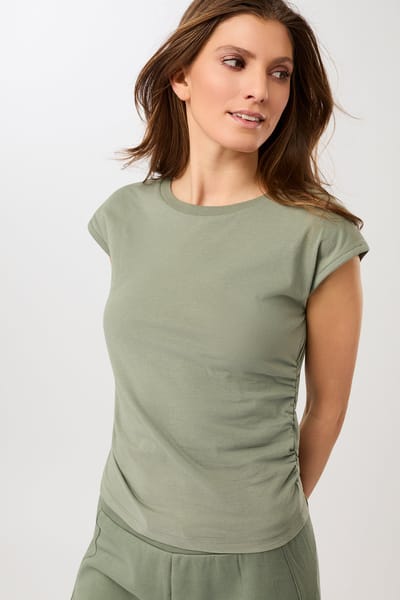
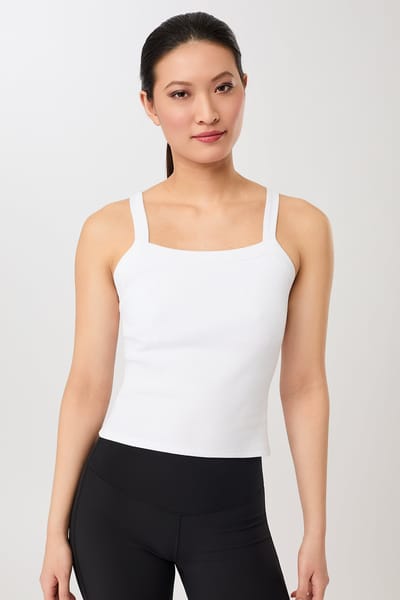
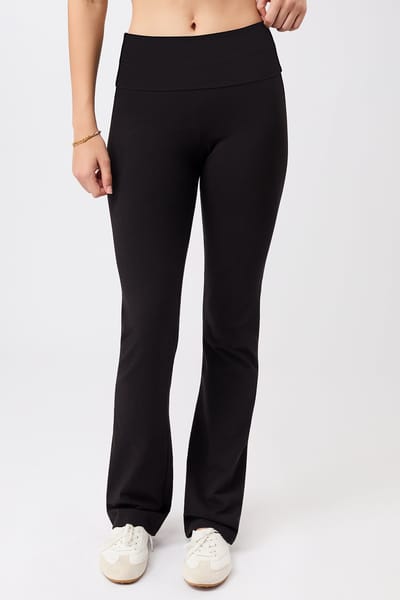
Want the certified-organic route, or the broader picture first? Browse our cotton tops, compare fibers in the natural fiber clothing guide, or see how cotton fares against linen in summer in the linen vs cotton guide.
Live picks: prices and availability updated Sep 25, 2026
Sources & further reading
U.S. Federal Trade Commission (Textile Fiber Products Identification Act and fiber-labeling rules), Transformers Foundation ("Cotton: A Case Study in Misinformation," 2021, drawing on International Cotton Advisory Committee and industry pesticide data), ICAC, USDA (extra-long staple classification and GM-adoption statistics), peer-reviewed Bt cotton research in Science and PNAS (including Lu et al. 2010 on secondary pests and Kathage & Qaim 2012 on Indian smallholders), Textile Exchange (Organic Cotton Market Report and global fiber data), GOTS (Global Organic Textile Standard), Textile Exchange OCS (Organic Content Standard), OEKO-TEX (Standard 100), Supima Association, and reporting on the 2016 Target–Welspun Egyptian cotton case.
This article is general information, not medical advice. If you have a skin condition or a known allergy, talk to a doctor or dermatologist.
Frequently asked questions
Is cotton natural or synthetic?
Cotton is a natural fiber: one of the clearest cases there is. It grows as a cellulose hair around the cotton seed and is only cleaned, combed, and spun into yarn, never chemically dissolved and rebuilt the way viscose or bamboo rayon is. That puts it in the same category as linen, hemp, wool, and silk. The debates around cotton are about farming (pesticides, water, GM seed), not about whether the fiber itself is natural.
Is 100% cotton better than a cotton-polyester blend?
It depends on what you're optimizing for, but for most purposes we'd say yes. Pure cotton breathes and absorbs better, sheds no plastic microfibers in the wash, and can biodegrade at end of life; the polyester in a blend cuts cost, shrinkage, and wrinkles but takes those properties away and makes recycling far harder. The main honest case for a blend is durability-per-dollar in hard-wearing items. Whatever you choose, judge it by the fiber-content tag: a garment named "cotton something" can legally be mostly polyester.
Does cotton shrink, and can I prevent it?
Untreated cotton typically shrinks a few percent, up to about 5%, the first time it meets a hot wash and a hot dryer, because heat and moisture relax tensions left in the yarn by spinning and weaving. Fabric sold as "pre-shrunk" or "sanforized" has had most of that relaxation done at the mill and should move around 1% or less. To keep any cotton true to size, wash cool and air-dry; the dryer is where most of the damage happens.
Is Pima or Egyptian cotton worth the extra money?
For items you feel directly and wash often (sheets, dress shirts, fine knits), extra-long staple cotton genuinely is smoother, stronger, and less prone to pilling, so the premium buys something real. Be aware that "Egyptian cotton" is an origin claim rather than a quality guarantee, and it has been faked at scale: Target dropped a major supplier in 2016 over exactly this. "Supima" is a licensed trademark for American Pima, which makes it a more verifiable claim. For everyday tees and workwear, fabric weight and construction matter more than staple pedigree.
Is conventional cotton safe to wear?
Yes, as far as the evidence goes: pesticides are applied in the field, and the scouring, washing, and finishing that turn fiber into fabric leave negligible residues of them in the garment you buy. The chemical questions that reach your skin are more about dyes and finishes (like formaldehyde-based wrinkle-free resins) than about farming; an OEKO-TEX Standard 100 label tests the finished fabric for exactly those. The case for organic cotton rests on farm workers, soil, and waterways near the farm; see our GOTS vs OEKO-TEX guide for which label answers which question.
About the editor
Urša Satler is the founder of Purefect Choice, an online non-toxic goods shop in Slovenia. She stocks what she and her family actually need and use themselves, chosen on material composition and certification.
She started MaterialFilter for a plainly selfish reason: she was tired of checking labels in shops one garment at a time, and tired of hunting for fibre content buried five clicks deep on a product page, usually to discover that a beautiful dress was mostly polyester. MaterialFilter does that checking once, up front, so the composition is the first thing you see instead of the last thing you find.
She sets the standard this site scores against and owns its editorial direction. What she brings to it is the habit of reading a composition label before anything else (daily, for her own family and the shop she runs) and one rule that keeps that habit honest: every claim on MaterialFilter is meant to be checkable against a certification body's own public register, so you never have to take her word for it.