How to Find a Genuinely Organic Cotton T-Shirt
Updated Aug 19, 2026 2 mins read
Edited by Urša Satler
A cotton t-shirt is the easiest place to start with natural-fiber clothing, and also the easiest place to be misled. "Cotton" on a label can mean anything from 100% organic-certified fiber to a 60/40 blend with polyester. Here is what to check before you buy.
What to look for
Read the composition tag, not the marketing copy. A genuinely organic cotton t-shirt will list the fiber as 100% cotton (or close to it, since small amounts of elastane in fitted styles is common) and carry a third-party certification on the swing tag or label.
The two certifications worth recognising are GOTS (Global Organic Textile Standard) and OCS (Organic Content Standard). GOTS covers the full supply chain: fiber, dyes, factory conditions. OCS verifies organic fiber content only. Both are independently audited.
A shirt that says "made with organic cotton" without a logo is unverified. That phrase is not regulated.
What we filter for
When you browse an organic cotton t-shirt page on this site, every product has been through the same check: fiber composition disclosed, organic cotton verified by an active certification, brand discloses where the garment is made. Brands that do not disclose are not listed.
Live picks: prices and availability updated Sep 25, 2026

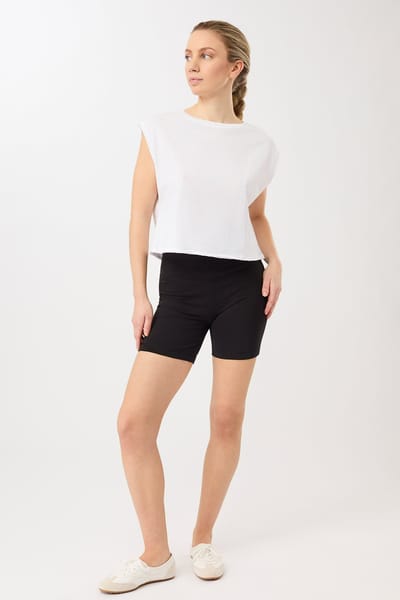
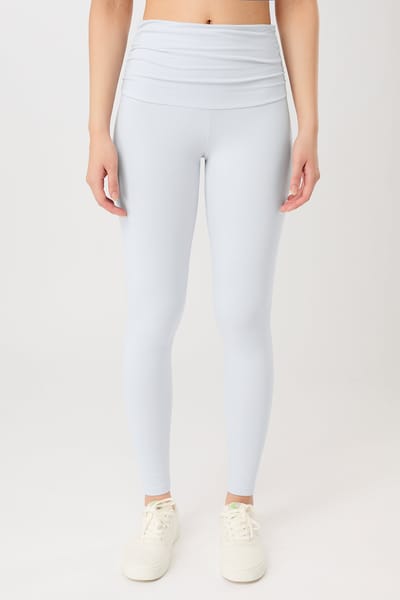
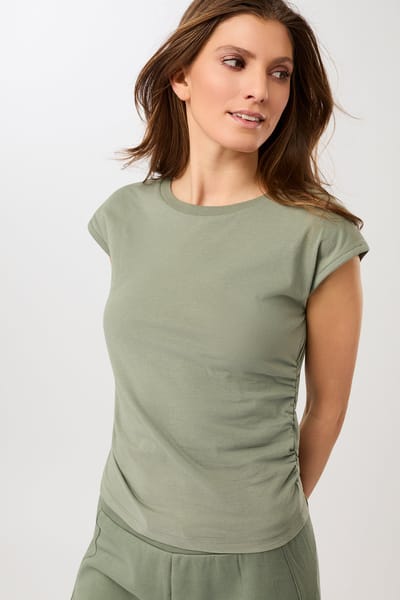
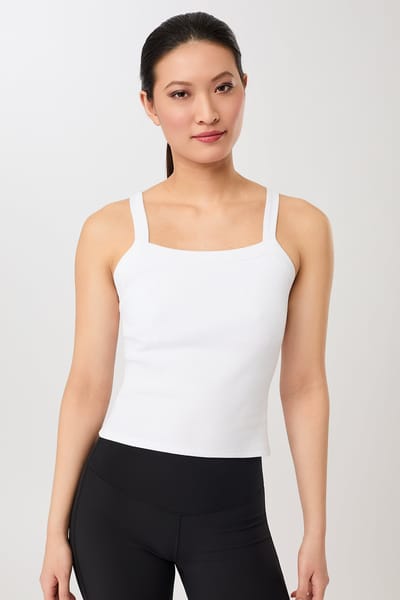
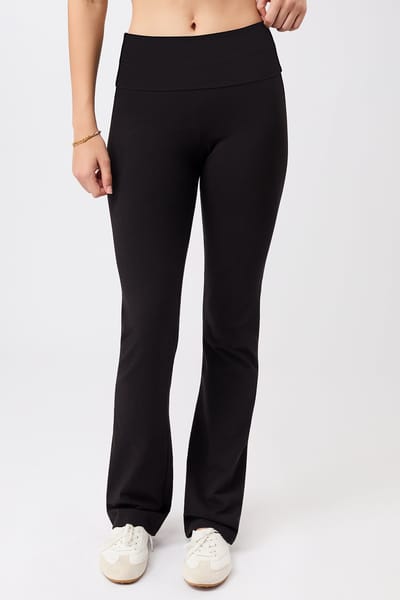
A note on price
Organic cotton costs more to grow and process than conventional. A genuinely organic, certified, traceably-made t-shirt is unlikely to retail under £25 in 2026. If you see one cheaper, the most likely explanations are: greenwashed sourcing, blended fiber not disclosed clearly, or a brand absorbing the cost short-term to capture the search keyword. Treat unusually low prices as a question to investigate, not a deal.
Frequently asked questions
Is organic cotton always GOTS-certified?
No. GOTS is the most stringent; it covers fiber, processing chemistry, and labour conditions. OCS verifies organic content but not the rest of the chain. A shirt can be made from organic cotton without either certification, but in that case there is no independent verification you can rely on. We require at least one of GOTS or OCS for a product to appear in our organic cotton results.
How long should a 100% cotton t-shirt last?
With cool washes, line drying, and rotation between several shirts, a well-made 180–220 gsm cotton t-shirt should last 3–5 years of regular wear before the neckline relaxes or the body thins out. Hot tumble drying roughly halves that. Heavier-weight shirts (240 gsm and up) hold their shape longer but take longer to dry.
About the editor
Urša Satler is the founder of Purefect Choice, an online non-toxic goods shop in Slovenia. She stocks what she and her family actually need and use themselves, chosen on material composition and certification.
She started MaterialFilter for a plainly selfish reason: she was tired of checking labels in shops one garment at a time, and tired of hunting for fibre content buried five clicks deep on a product page, usually to discover that a beautiful dress was mostly polyester. MaterialFilter does that checking once, up front, so the composition is the first thing you see instead of the last thing you find.
She sets the standard this site scores against and owns its editorial direction. What she brings to it is the habit of reading a composition label before anything else (daily, for her own family and the shop she runs) and one rule that keeps that habit honest: every claim on MaterialFilter is meant to be checkable against a certification body's own public register, so you never have to take her word for it.