TENCEL Lyocell
Updated Aug 19, 2026 2 mins read
Edited by Urša Satler
Lyocell is a regenerated cellulose fiber: wood pulp dissolved in a non-toxic solvent, extruded into filament, and spun into yarn. TENCEL is the most common brand name for lyocell, owned by the Austrian producer Lenzing. The fiber is botanical in origin, like cotton or linen, but the production route is a chemical process rather than direct mechanical extraction from a plant.
Why the closed-loop process matters
The defining feature of lyocell is that the solvent (NMMO, an organic compound) is recovered and reused at over 99% efficiency in a closed-loop production line. That distinguishes lyocell from older regenerated fibers like rayon and viscose, which historically used carbon disulphide, a chemical with serious worker-health and environmental consequences. Lyocell does not use carbon disulphide.
The wood pulp itself comes mostly from FSC-certified eucalyptus and beech plantations.
How it wears
Lyocell drapes more like silk than like cotton. It is smooth, slightly cool to the touch, takes dye well, and resists wrinkles better than linen. It is moisture-absorbent (more so than cotton) and breathable, which makes it comfortable in warm weather. Lyocell is often blended with cotton or wool to add softness or structure.
What to verify
The label should specify "lyocell" or "TENCEL Lyocell" by name. "Modal" is a related but distinct Lenzing fiber from beech pulp. "Viscose" or "rayon" without further qualification is the older, non-closed-loop process and not equivalent.
Live picks: prices and availability updated Sep 24, 2026
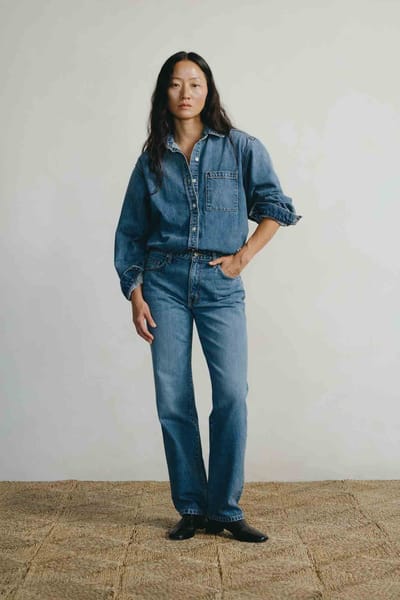
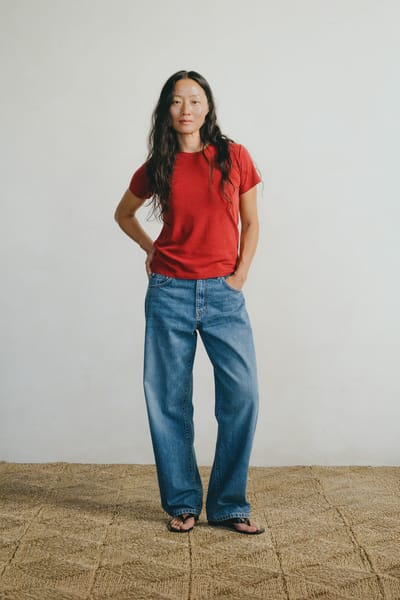
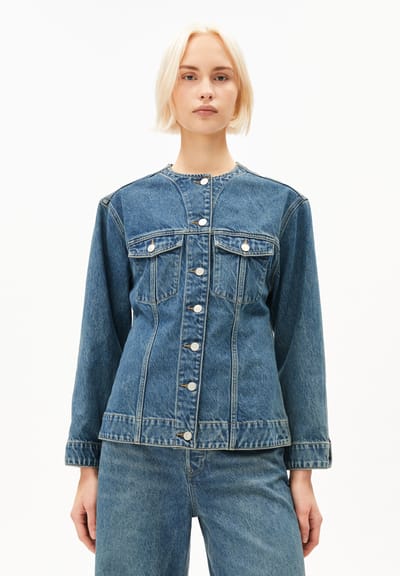
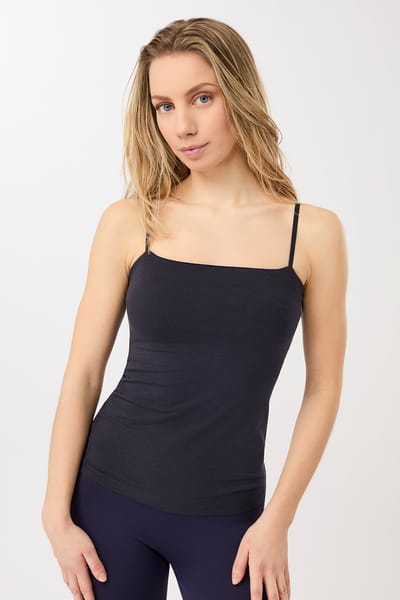
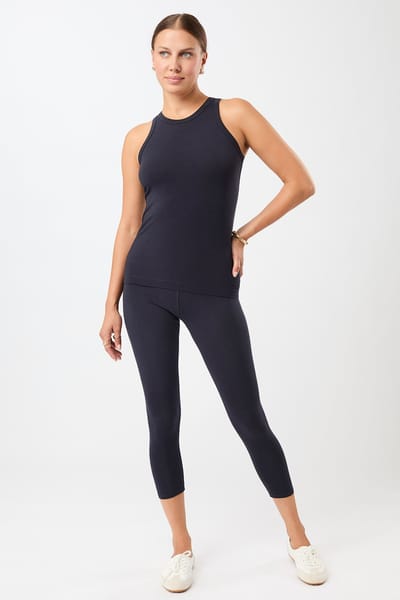
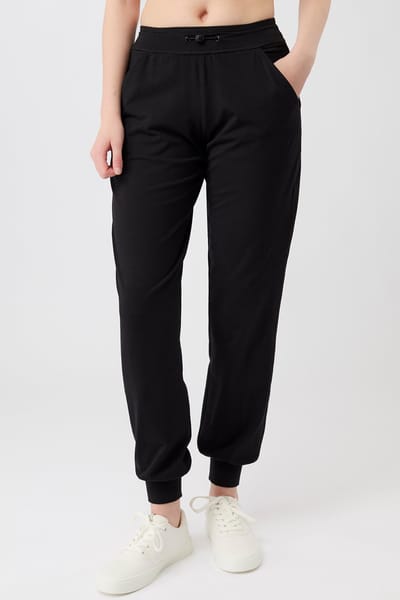
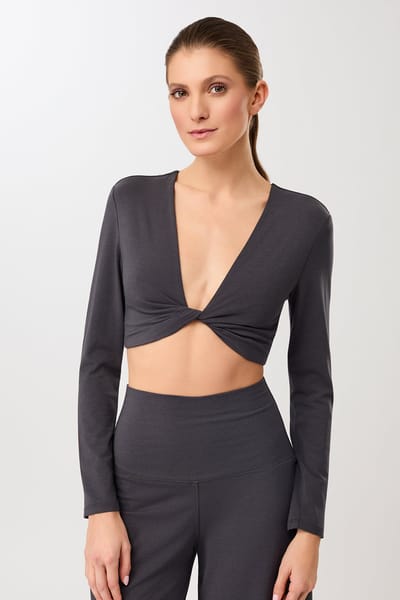
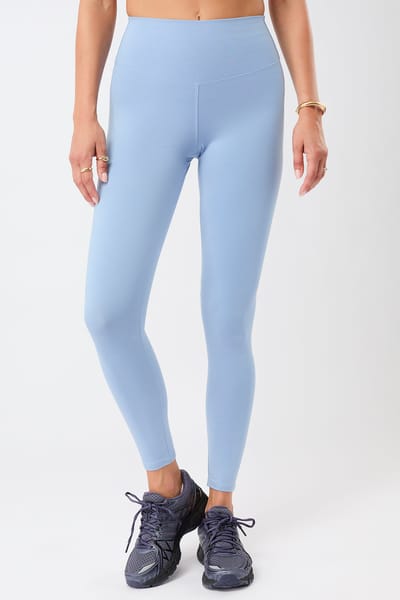
About the editor
Urša Satler is the founder of Purefect Choice, an online non-toxic goods shop in Slovenia. She stocks what she and her family actually need and use themselves, chosen on material composition and certification.
She started MaterialFilter for a plainly selfish reason: she was tired of checking labels in shops one garment at a time, and tired of hunting for fibre content buried five clicks deep on a product page, usually to discover that a beautiful dress was mostly polyester. MaterialFilter does that checking once, up front, so the composition is the first thing you see instead of the last thing you find.
She sets the standard this site scores against and owns its editorial direction. What she brings to it is the habit of reading a composition label before anything else (daily, for her own family and the shop she runs) and one rule that keeps that habit honest: every claim on MaterialFilter is meant to be checkable against a certification body's own public register, so you never have to take her word for it.