Silk
Updated Aug 19, 2026 1 min read
Edited by Urša Satler
Silk is a continuous protein fiber spun by the silkworm (primarily Bombyx mori, the domesticated mulberry silkworm) as it forms its cocoon. A single cocoon yields between 600 and 1,500 metres of unbroken filament, which is then reeled, twisted, and woven into cloth.
Silk versus satin
Silk and satin are not the same thing. Silk is a fiber. Satin is a weave structure (a long-float weave that produces a smooth, lustrous surface). A satin can be silk, polyester, or acetate. The composition label on a "satin blouse" tells you which.
Common silk types
- Mulberry silk: the standard for clothing and bedding. Smooth, white, even fiber from farmed Bombyx mori worms fed exclusively on mulberry leaves.
- Tussah silk is a coarser, beige-toned silk from wild silkworms feeding on oak and other forest trees. Produced in smaller volumes; often sold under "wild silk" or "peace silk" labels.
How to wear and care for it
Silk regulates temperature well, cool in summer and warm in winter, because the fiber is hollow at the molecular level. It is also one of the strongest natural fibers by tensile strength but vulnerable to abrasion, sun, and perspiration salts. Hand wash cool with a pH-neutral detergent, or dry clean for tailored pieces. Air dry away from direct sun.
Live picks: prices and availability updated Sep 16, 2026
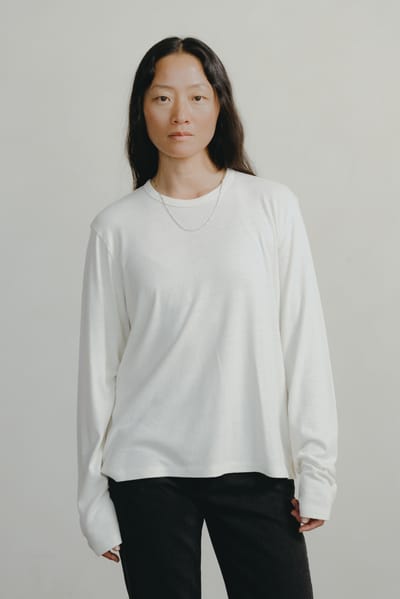
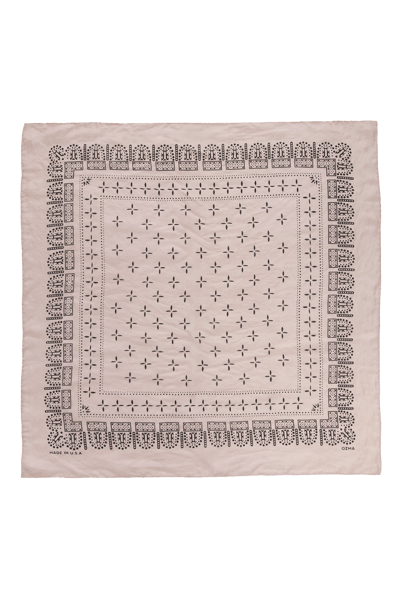
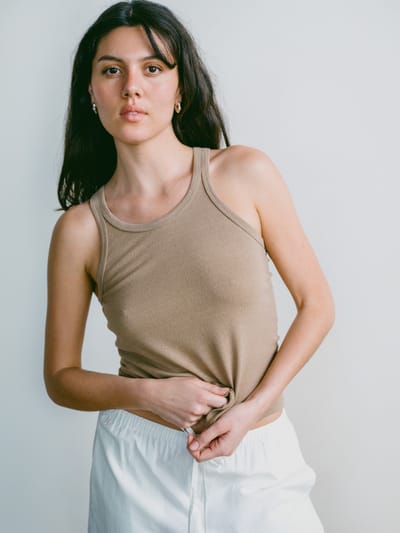
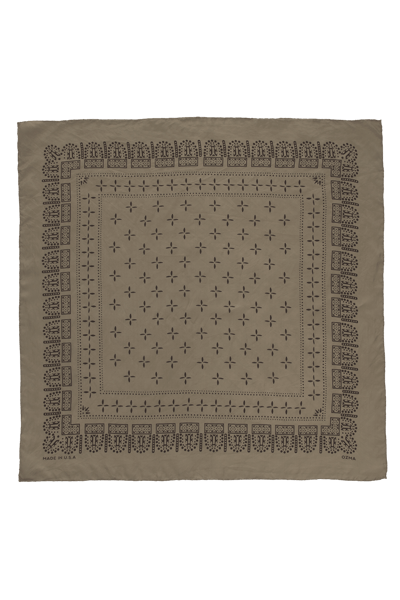


About the editor
Urša Satler is the founder of Purefect Choice, an online non-toxic goods shop in Slovenia. She stocks what she and her family actually need and use themselves, chosen on material composition and certification.
She started MaterialFilter for a plainly selfish reason: she was tired of checking labels in shops one garment at a time, and tired of hunting for fibre content buried five clicks deep on a product page, usually to discover that a beautiful dress was mostly polyester. MaterialFilter does that checking once, up front, so the composition is the first thing you see instead of the last thing you find.
She sets the standard this site scores against and owns its editorial direction. What she brings to it is the habit of reading a composition label before anything else (daily, for her own family and the shop she runs) and one rule that keeps that habit honest: every claim on MaterialFilter is meant to be checkable against a certification body's own public register, so you never have to take her word for it.