Natural Fiber Clothing: The Complete Guide
Updated Aug 19, 2026 12 mins read
Edited by Urša Satler
Some retailers on this page pay us a commission when you buy through our links. It costs you nothing, and it never affects our rankings or filtering. Learn more
Natural fiber clothing is made from fibers that come straight from plants or animals (cotton, linen, hemp, wool, silk and a few others) and turned into fabric mostly by spinning and weaving, not by chemistry. People choose it because it tends to feel better against the skin, breathe well, handle sweat, last for years, and break down naturally at the end of its life instead of shedding tiny bits of plastic. There's one catch worth knowing up front: a handful of fabrics that sound natural, "bamboo" being the big one, are actually made by dissolving a plant in chemicals and reforming it, so they don't really count.
This guide walks you through what's genuinely natural, how each fiber feels and wears, what it all means for your skin and the planet, and how to read a label so you're never just taking a brand's word for it.
Key takeaways
- If it grew on a plant or an animal and was spun into thread, it's natural: cotton, linen, hemp, wool, silk, cashmere and alpaca.
- "Bamboo," viscose, modal and TENCEL start as plants but get broken down and rebuilt with chemicals, so they sit in a middle category: not natural, not fully plastic. Regulators have fined major stores for calling bamboo fabric "bamboo" when it's really rayon.
- Polyester, nylon, acrylic and elastane are made from petroleum (basically very fine threads of plastic).
- Natural fibers are best at breathing, handling moisture and lasting: linen and hemp are the toughest, wool manages temperature and odor brilliantly, cotton is the soft everyday all-rounder.
- Your skin usually reacts to dyes and finishes, not the fiber itself, and the dyes most linked to skin trouble are used on synthetics, not on cotton, linen or wool.
- Two labels are worth trusting: GOTS (organic and ethically made, start to finish) and OEKO-TEX (the finished item tested for harmful chemicals). Either way, read the fiber percentages on the tag.
What counts as a natural fiber?
The simplest way to think about any fabric is to ask one question: where did it come from, and what had to happen to turn it into thread? That splits almost everything in your wardrobe into three groups.
The first is natural fibers: the ones that grew on a plant or an animal and were turned into cloth mechanically, by combing, spinning and weaving. On the plant side that's cotton, linen (which comes from the flax plant) and hemp. On the animal side it's wool, cashmere, alpaca, mohair and silk. These are the only fibers that are truly "natural."
The second group is the confusing one: fabrics made from a plant but rebuilt with chemicals. These start as plant material (usually wood pulp, sometimes bamboo) that gets dissolved into a thick liquid and pushed through tiny holes to form new thread. Viscose, rayon, modal and lyocell (sold under the brand name TENCEL) all live here, and so does "bamboo" fabric. They began as a plant, but because chemistry does the heavy lifting, they don't count as natural. Some are made far more cleanly than others: TENCEL, for instance, recycles most of its chemicals, but that's a separate question from whether they're natural.
The third group is synthetic, meaning made from petroleum: polyester, nylon, acrylic and elastane (the stretchy one, also called spandex). They're cheap and useful, but they're essentially fine plastic.
| Group | Where it comes from | Examples | Counts as natural? |
|---|---|---|---|
| Natural | Plants and animals, spun into thread mechanically | Cotton, linen, hemp, wool, silk, cashmere, alpaca | Yes |
| Made from a plant, rebuilt with chemicals | Plant pulp dissolved and reformed | Viscose, rayon, modal, lyocell/TENCEL, "bamboo" | No |
| Synthetic (plastic) | Petroleum | Polyester, nylon, acrylic, elastane | No |
On MaterialFilter, that first group is the whole point. We read what each garment is actually made of and rank by it, so you can go straight to linen, cotton, hemp or wool without wading through racks of synthetics.
The big catch: why "bamboo" usually isn't what it sounds like
Of all the fabrics that blur the line, bamboo causes the most confusion, and it's worth singling out, because the marketing and the reality are miles apart.
Bamboo grows fast and needs little help to thrive, so it gets sold as an eco-miracle. But the soft, silky "bamboo" fabric in a T-shirt is almost never bamboo in any real sense. To turn a hard, woody grass into something you'd want against your skin, manufacturers dissolve it in strong chemicals and reform it into thread; that makes it rayon, the exact same process used on wood pulp.
US regulators have been blunt about this. The Federal Trade Commission says fabric made this way has to be labeled "rayon made from bamboo," not "bamboo," and that there is virtually no true bamboo fiber being sold as clothing at all. They've backed it up with real money: in 2022 the FTC fined Kohl's and Walmart a combined $5.5 million for marketing rayon as bamboo and leaning on "eco-friendly" claims that don't survive the chemical process.
You'll still find a bamboo page on MaterialFilter, because plenty of people search for it, but our take is the honest one. It's rayon, so it belongs in that middle group, alongside viscose, not next to cotton and linen. (A genuinely mechanical "bamboo linen" does exist, but it's rare and rather stiff, and it's almost never what's on the shelf.)
How natural fibers feel: heat, moisture, and comfort
Here's the thread that runs through nearly everything people love about natural fibers: they're good at moving heat and moisture. That single trait (letting air through and pulling sweat off your skin) is what makes a linen shirt feel cool in July and a wool layer feel comfortable on a cold, damp morning.
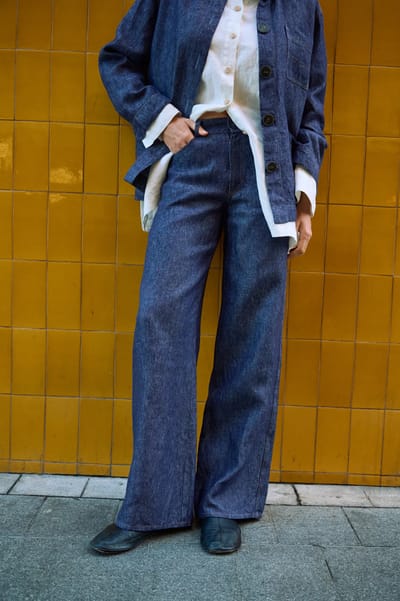
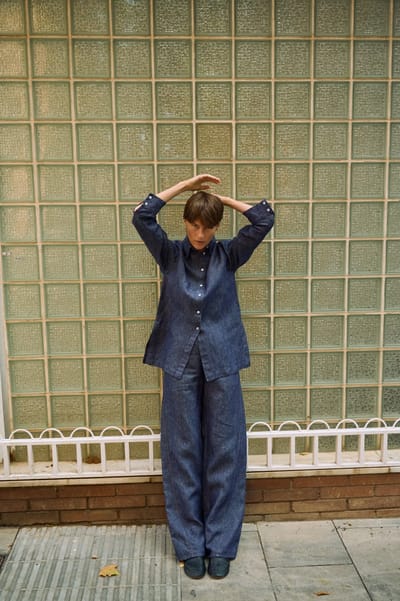
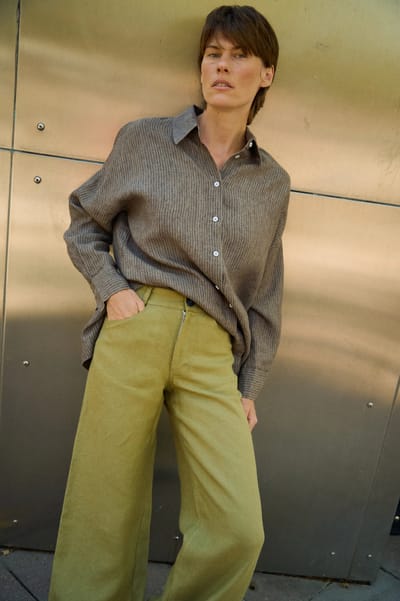
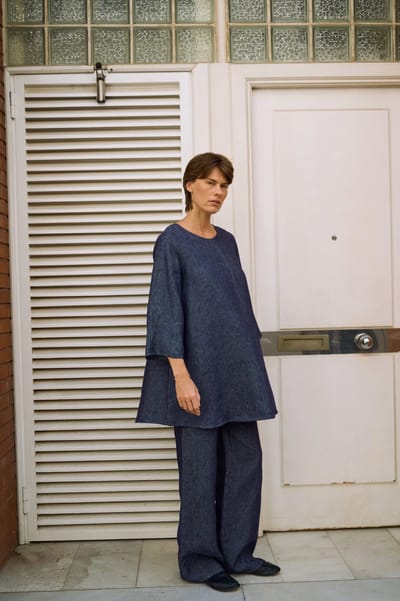
Linen is the champion of hot weather. It lets air through easily and draws moisture away from your skin, then dries quickly, so it stays cool and dry even when you're sweating. It also gets softer every time you wash it. The trade-off is wrinkles: linen creases, and that's simply part of its character. If you're torn between the two great summer staples, we put them side by side in linen vs cotton for summer.
Live picks: prices and availability updated Sep 23, 2026

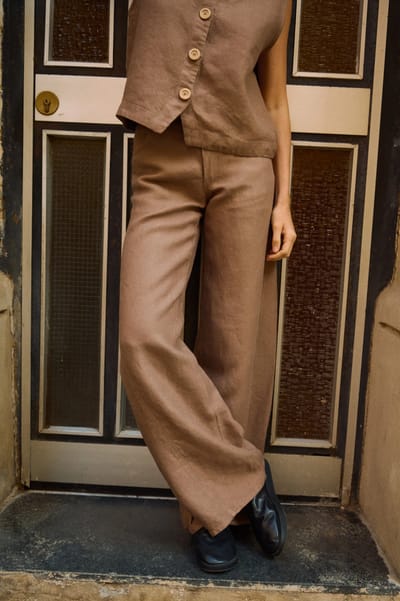
Cotton is the soft, easygoing all-rounder. It's comfortable, breathable and very absorbent, which is also its one weakness. It soaks up sweat and is slow to dry, so a cotton tee can feel damp and clingy halfway through a workout. For everyday wear, though, little beats it for plain comfort and easy care.
Wool is the clever one. It reacts to your body: it can keep you warm and still breathe, and it manages moisture while staying dry to the touch. Its real party trick is shrugging off smells, which is why wool socks or a merino top can be worn several times between washes without going funky. And if the word "wool" makes you brace for itch, that's usually coarse wool you're remembering. The itch is mechanical (stiff fiber ends pressing on your skin), not an allergy. Merino is simply a very fine wool, fine enough that most people feel no prickle at all. When you see "merino," think "soft wool," and you can read more in our wool guide.
Silk is smooth and light, and it quietly regulates temperature and absorbs a little moisture, which is why it feels pleasant in both warm and cool weather. It's the delicate one: lovely against the skin, but it asks for gentle washing in return. You'll find the full story in our silk guide.
How long they last, and how they age
That same fiber structure that handles moisture so well also tends to make natural fibers tough, and, unusually, many of them get nicer with age instead of falling apart.
Linen and hemp are the strongest of the bunch. Hemp in particular is the workhorse: it resists wear and tear, naturally fends off some odors, and (like linen) softens with every wash without losing its strength. A good hemp or linen piece can genuinely last for years rather than seasons.
Live picks: prices and availability updated Sep 11, 2026
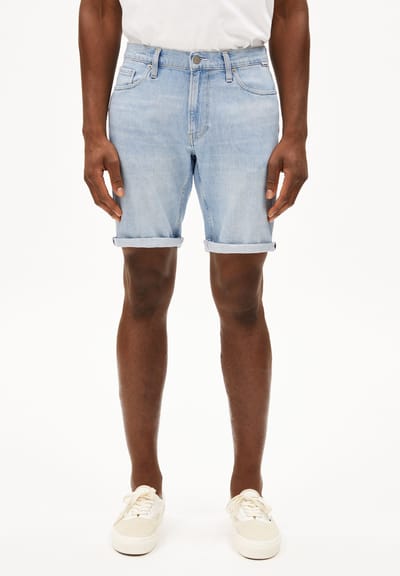
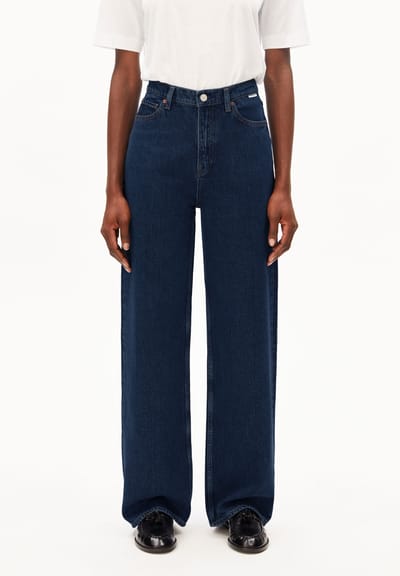
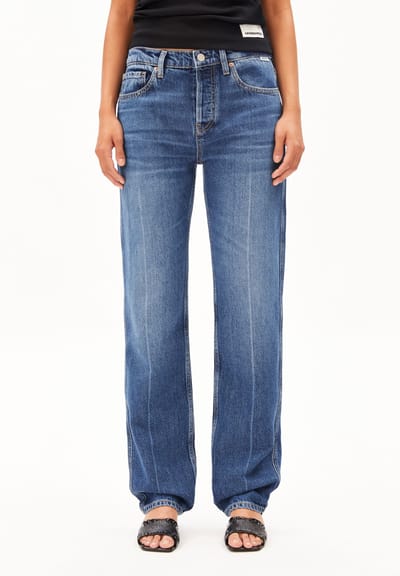
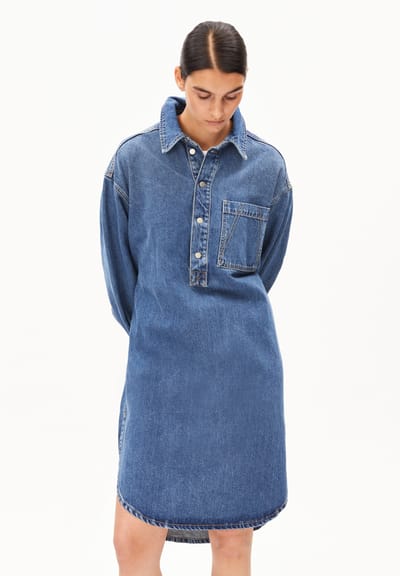
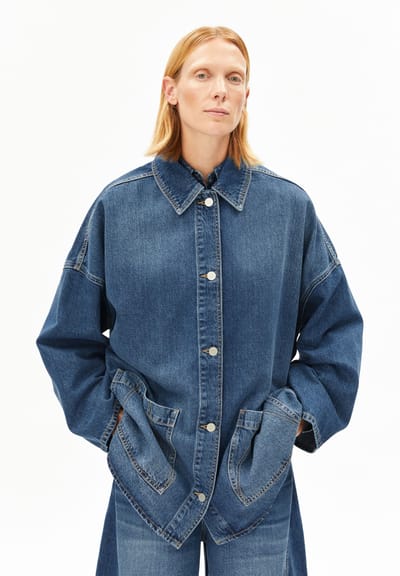
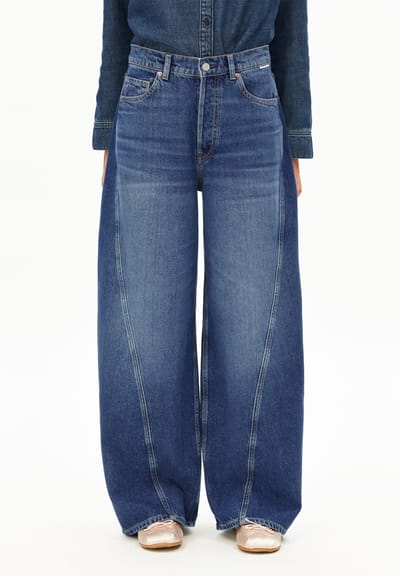
Wool is springy and elastic, so it bounces back into shape rather than bagging out, and it's naturally hard to set alight; it tends to smolder rather than melt the way plastic-based fabrics do. Cotton is less rugged than linen or hemp and weakens a little as it wears, but it's so easy to wash and live with that it stays the default for everyday clothes.
And here's the part that connects to the bigger picture: because these are plant and animal fibers, they break down naturally once they're finally worn out.
Natural vs synthetic: what's the real difference for your skin?
If you've ever blamed a fabric for an itchy rash, here's the surprising part: the fiber itself is rarely the culprit. Skin specialists point to the dyes and chemical finishes added during manufacturing far more often than to the cotton, wool or polyester underneath.
The dyes most often linked to skin reactions are a type called disperse dyes, and these are used to color synthetic fabrics like polyester and nylon, because those plastic-based fibers won't hold ordinary dye. They can loosen and rub off onto damp skin. Natural fibers take completely different dyes that don't tend to cause the same trouble. So if your skin is sensitive, a well-made natural fabric is often the safer bet, not because synthetics are "toxic" (they aren't), but because of what gets done to them.
The other common trigger is the "wrinkle-free" or "easy-care" finish on some shirts and bedding, which can rely on formaldehyde-based treatments that bother certain people. Natural fibers can carry finishes too, so the gentlest option of all is usually a plain, undyed or lightly processed natural fabric: it simply gives your skin less to react to.
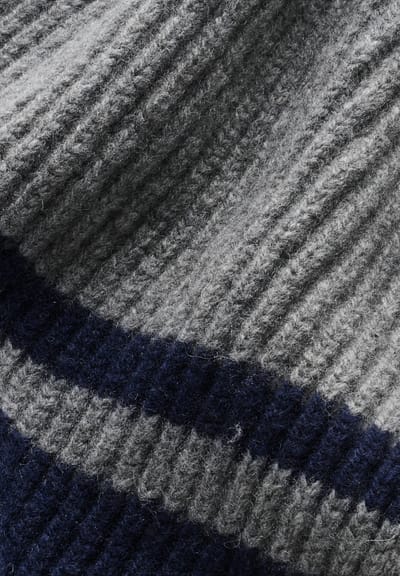
This is also why natural fibers tend to suit sensitive or eczema-prone skin: they breathe and manage moisture, which keeps skin drier and less irritated, and when the fiber is fine they feel soft rather than scratchy. Soft, fine wools like merino are a good example, and there's even some research suggesting that very fine merino worn next to the skin may help calm eczema for some people. It's promising rather than proven, and skin is personal, so treat it as worth a try, not a cure.
Live picks: prices and availability updated Sep 12, 2026
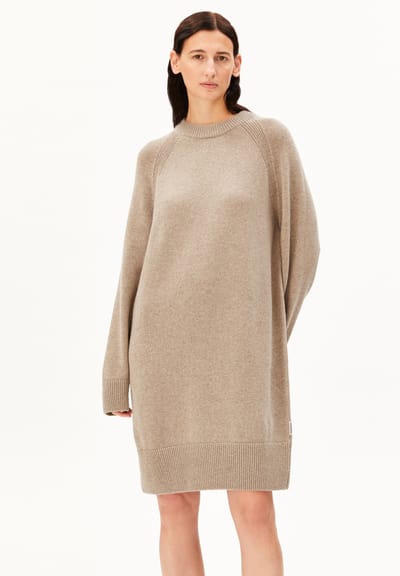
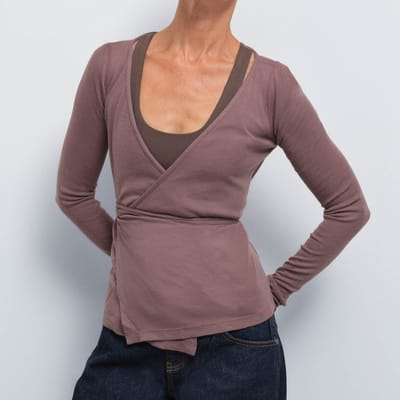
If you're dealing with a genuine skin condition, a dermatologist's advice will always beat any fabric rule of thumb.
Are natural fibers better for the planet?
That ability to break down is a big part of the environmental case for natural fibers, but it's worth being honest about where they help and where the picture is murkier.
The clothing industry does have a real footprint. The UN's environment program estimates that fashion is responsible for somewhere between 2 and 8 percent of the world's planet-warming emissions (a wide range, but enough to take seriously).
The clearest difference between natural and synthetic is microplastics. Every time you wash a polyester or acrylic garment, it sheds countless tiny plastic threads that rinse out and end up in rivers and oceans. By one widely cited estimate, roughly a third of the microplastics in the sea come from washing synthetic clothes. Natural fibers shed too. But what they shed is plant or animal material that breaks down, not plastic that lingers for decades.
Then there's organic cotton, which is where you'll meet the word "organic" most often. The main thing it changes is what isn't used: no synthetic pesticides or fertilizers, which is better for the soil, the water and the people doing the farming. You'll see dramatic "saves this much water" figures attached to it, but the honest answer is that the water story depends heavily on where and how the cotton is grown, so we'd rather point you to a trustworthy certification than to a flashy number.
None of this makes any fabric impact-free. The greenest garment is almost always the one you already own and keep wearing. Natural fibers earn their place by lasting a long time and breaking down cleanly; not by being magic.
How to know it's really natural: labels and certifications
All of this only helps if you can tell what you're actually holding, and the good news is the label does most of the work, once you know how to read it.
By law, in both the US and the EU, clothing has to list what it's made of by percentage, biggest first. So "100% linen" is exactly that, and "95% cotton, 5% elastane" means mostly cotton with a little stretch woven in: a small dose of elastane is completely normal and just helps a garment hold its shape. If something is mostly polyester, the label has to say so, right there at the top of the list. One quirk worth knowing: tiny amounts under about 5% can be lumped together as "other fibers," though wool always has to be named. This is exactly the kind of thing MaterialFilter checks for you, but it's a good habit to glance at the tag yourself.
For an extra layer of confidence, two certifications are worth recognizing, and they answer genuinely different questions.
| Label | The question it answers | What to know |
|---|---|---|
| GOTS | "Was this made organically and fairly, from farm to finished garment?" | The strict one. To use the word "organic," almost all the fibers (at least 95%) must be certified organic, and the whole supply chain (the chemicals used, the wastewater, the working conditions) has to meet the standard. |
| OEKO-TEX (Standard 100) | "Has the finished item been tested for harmful chemicals?" | A safety check on the final product. Reassuring, but it doesn't mean organic or even natural: an all-polyester item can pass. |
If you want the strongest assurance, look for both: GOTS tells you the garment was made cleanly and ethically, and OEKO-TEX tells you the finished product was tested safe to wear. When you're shopping for organic cotton in particular, GOTS is the label that actually stands behind the word.
Live picks: prices and availability updated Sep 25, 2026
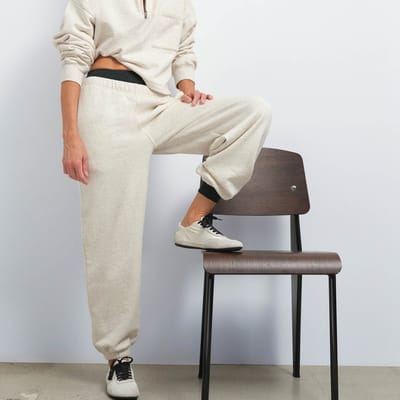
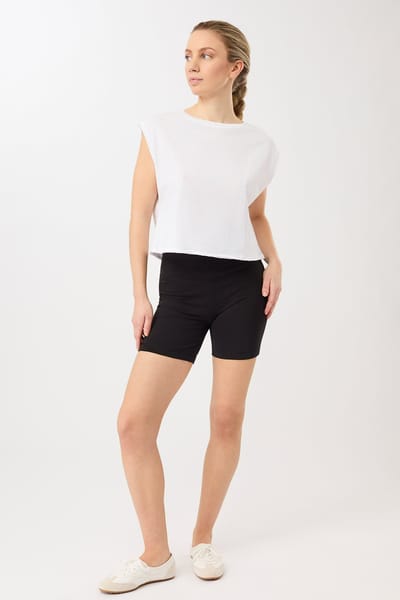
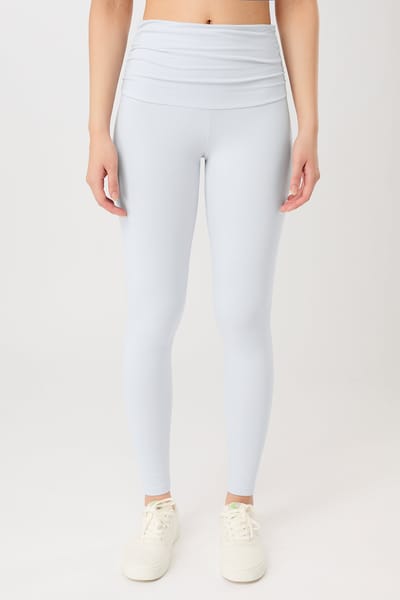
The short version
The test is refreshingly simple: read the percentages on the tag. If a piece is mostly cotton, linen, hemp, wool or silk, you're holding the real thing, and when the word "organic" or a chemical-safety claim is what matters, let GOTS or OEKO-TEX stand behind it rather than the marketing.
That's the whole reason MaterialFilter exists: so you can shop by what your clothes are actually made of instead of decoding every label yourself. If you're not sure where to start, linen and organic cotton are easy first steps.
Sources & further reading
U.S. Federal Trade Commission (textile labeling rules and its enforcement actions on bamboo and rayon), the Global Organic Textile Standard (GOTS), OEKO-TEX, the UN Environment Programme, the IUCN's research on ocean microplastics, DermNet's guidance on textile contact dermatitis, and the textile-labeling laws of the US (the Textile Fiber Products Identification Act) and the EU (Regulation 1007/2011).
This article is general information, not medical advice; if you have a skin condition, please check with a dermatologist.
Frequently asked questions
What is the most breathable natural fabric?
Linen usually takes the crown. Its fibers let air move through the fabric easily and pull moisture off your skin, so it feels cool even on a sticky day. Loosely woven cotton breathes well too, and fine wool is surprisingly good in warm weather because it manages moisture rather than trapping it. If staying cool is your main goal, start with linen.
Are natural fibers more expensive than synthetics?
Often a little, yes: natural fibers cost more to grow and process than petroleum-based ones, and certified organic or ethically made pieces cost a bit more again. But it's worth thinking in cost-per-wear rather than sticker price. A linen shirt or wool sweater that lasts for years and only gets better with age can easily work out cheaper than replacing a cheap synthetic top every season.
Do natural fiber clothes shrink or wrinkle more?
Some do, and it's usually easy to manage. Linen wrinkles freely (that's just its look) while cotton and wool can shrink if you wash them hot or tumble dry them on high heat. The simple fix is to wash in cool water and let things air dry. Treated that way, natural fibers hold their shape and size for a long time.
Is a cotton-polyester blend a bad choice?
Not necessarily. Blends exist for good reasons: a little polyester can add durability and cut down on wrinkles, and a touch of elastane adds stretch. A blend won't breathe or biodegrade as well as a pure natural fabric, and if your skin is very sensitive you may prefer to avoid the synthetic dyes that come with polyester. But for everyday clothes, a mostly natural blend is a perfectly reasonable middle ground; just check the label so you know what the split actually is.
How should I care for natural fiber clothing so it lasts?
Wash less often and cooler than you think you need to. Most natural fibers (especially wool) don't need washing after every wear, and gentler, cooler washes are kinder to the fabric. Air drying instead of tumble drying prevents shrinking and wear, and it saves energy too. A little care goes a long way: it's the main reason a good natural-fiber piece can last for years.
About the editor
Urša Satler is the founder of Purefect Choice, an online non-toxic goods shop in Slovenia. She stocks what she and her family actually need and use themselves, chosen on material composition and certification.
She started MaterialFilter for a plainly selfish reason: she was tired of checking labels in shops one garment at a time, and tired of hunting for fibre content buried five clicks deep on a product page, usually to discover that a beautiful dress was mostly polyester. MaterialFilter does that checking once, up front, so the composition is the first thing you see instead of the last thing you find.
She sets the standard this site scores against and owns its editorial direction. What she brings to it is the habit of reading a composition label before anything else (daily, for her own family and the shop she runs) and one rule that keeps that habit honest: every claim on MaterialFilter is meant to be checkable against a certification body's own public register, so you never have to take her word for it.