Wool
Updated Aug 19, 2026 1 min read
Edited by Urša Satler
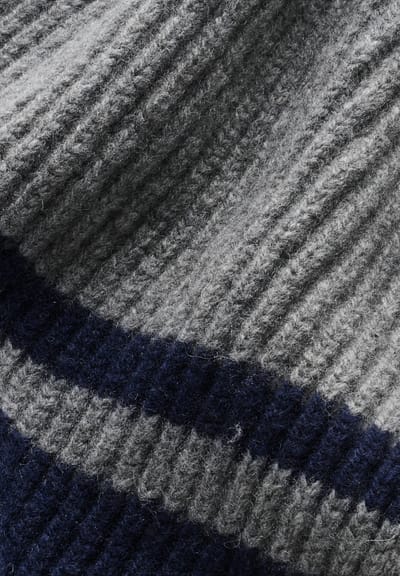
Wool is the spun fleece of sheep. Different breeds produce fibers of different diameters, and that diameter (measured in microns) determines how the cloth feels against the skin. Coarser wools (24–30 microns) are warm and hard-wearing, used for outerwear and rugs. Finer wools (under 22 microns) are soft enough for next-to-skin use.
Why it insulates when wet
The crimped structure of a wool fiber traps air, and the fiber itself can absorb up to 30% of its weight in moisture before it feels damp. That is why a wool jumper still keeps you warm in light rain or after sweating, where a cotton jumper would feel cold and clammy.
Common wool types
- Merino: fine fiber (typically 17–22 microns), soft enough for base layers, common in sport and travel garments.
- Lambswool is the first fleece from a young sheep, softer than the same breed's adult fleece.
- Shetland, a coarser, warmer wool from the Shetland breed, used in traditional knitwear.
What to look for
The label should specify the wool type (merino, lambswool, etc.) and the country of origin if the brand is transparent. Certifications worth looking for include RWS (Responsible Wool Standard) for animal welfare and GOTS when the wool is also certified organic.
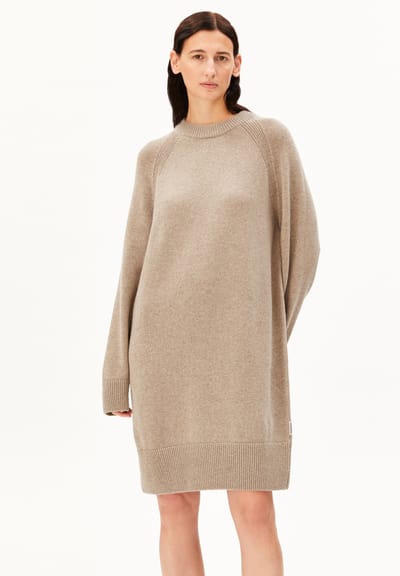
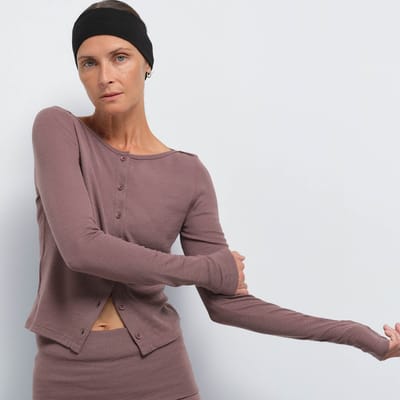
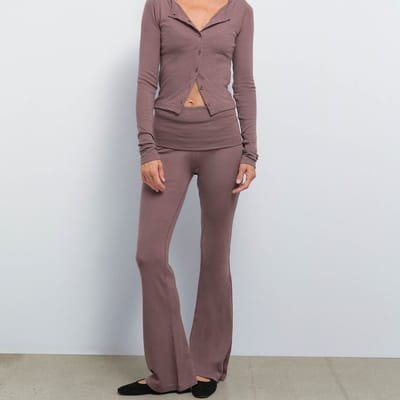
Live picks: prices and availability updated Sep 24, 2026
About the editor
Urša Satler is the founder of Purefect Choice, an online non-toxic goods shop in Slovenia. She stocks what she and her family actually need and use themselves, chosen on material composition and certification.
She started MaterialFilter for a plainly selfish reason: she was tired of checking labels in shops one garment at a time, and tired of hunting for fibre content buried five clicks deep on a product page, usually to discover that a beautiful dress was mostly polyester. MaterialFilter does that checking once, up front, so the composition is the first thing you see instead of the last thing you find.
She sets the standard this site scores against and owns its editorial direction. What she brings to it is the habit of reading a composition label before anything else (daily, for her own family and the shop she runs) and one rule that keeps that habit honest: every claim on MaterialFilter is meant to be checkable against a certification body's own public register, so you never have to take her word for it.