GOTS vs OEKO-TEX: What's the Difference?
Updated Aug 19, 2026 7 mins read
Edited by Urša Satler
If you've started reading clothing labels, two names keep showing up: GOTS and OEKO-TEX. They both sound reassuring, they often appear on the same kinds of products, and it's easy to assume they mean roughly the same thing. They don't.
Here's the short version. GOTS tells you a garment is made from organic fibers and was produced responsibly the whole way through, from the farm to the finished item, including the chemicals used, the wastewater, and the people who made it. OEKO-TEX (the label you'll usually see is "STANDARD 100") tells you something narrower but still valuable: the finished product has been tested and found free of harmful chemical residues. One is mostly about how a garment is made. The other is mostly about what's left in it by the time it reaches you.
So they aren't really rivals, and "which is better" is the wrong question. The better question is what you care about, and the best products often carry both.
Key takeaways
- GOTS = organic and responsibly made, top to bottom. It requires organic fibers and checks the whole supply chain, including the chemicals used, water treatment, and fair treatment of the workers.
- OEKO-TEX STANDARD 100 = tested clean. It checks that the finished item, and every part of it, is free of harmful chemical residues. It does not require organic fibers.
- They answer different questions. GOTS is about how a garment is made; OEKO-TEX STANDARD 100 is about what's left in the final product.
- A 100% polyester shirt can be OEKO-TEX certified. It cannot be GOTS certified, because GOTS is built around organic natural fibers.
- Want the strongest reassurance? Look for both labels on the same product.
How they differ: how it's made vs. what's in it
Picture the life of a cotton T-shirt as a journey. It starts as a plant in a field, becomes fiber, then yarn, then fabric. The fabric gets dyed and finished, then cut and sewn into a shirt, which finally lands in your hands. That journey is the key to telling these two labels apart.
GOTS watches the whole journey. It sets rules at every step and insists the starting fiber be organic. OEKO-TEX STANDARD 100 mostly cares about the destination: it takes the finished shirt and runs lab tests to make sure nothing harmful is left in it.
A simple way to hold the difference: GOTS is a promise about the process, how the thing was made. OEKO-TEX STANDARD 100 is a test of the product: what's actually in the thing you'll wear. Keep that in mind and almost everything else falls into place.
One word worth explaining, since GOTS is built on it: "organic." When a fiber is organic, it means the cotton (or other natural fiber) was grown without synthetic pesticides and without genetically modified seeds, farming that skips the harsh man-made chemicals. That's the foundation GOTS starts from, and it's exactly the part OEKO-TEX leaves alone.
What does GOTS actually certify?
GOTS is the broader and stricter of the two: think of it as a full "organic and responsibly made" stamp rather than a single test.
It starts with the fiber, and it comes in two grades you can actually read off a label. The top "organic" grade means almost all the fiber is certified organic: at least 95% of it. The lower "made with organic" grade means at least 70% is. In plain terms: if a tag says GOTS "organic," nearly everything in the garment is organic; "made with organic" means most of it is, with the rest tightly restricted.
From there, GOTS follows the garment through every stage (spinning, weaving or knitting, dyeing, sewing), and an independent inspector has to sign off on each one. It's not the brand vouching for itself. The chemistry is controlled too: a long list of hazardous processing chemicals is banned, and only dyes and treatments that pass environmental and health checks are allowed. Any factory doing wet processing has to clean its wastewater before it leaves.
GOTS also covers the people. Factories have to meet basic fair-labor rules: no child or forced labor, safe conditions, fair pay. And the whole thing is documented as it moves down the chain, so a finished garment can be traced back. If you want the deeper version, see our explainer on what GOTS certification means.
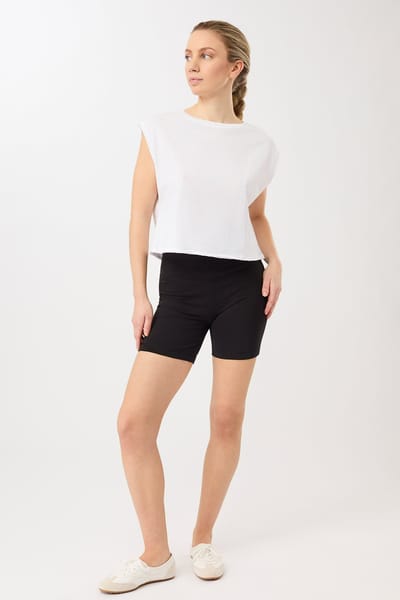
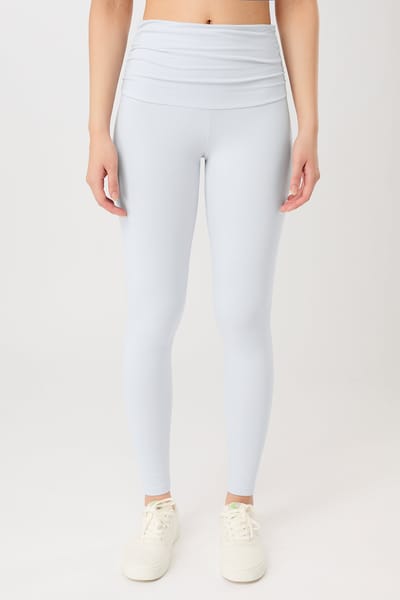
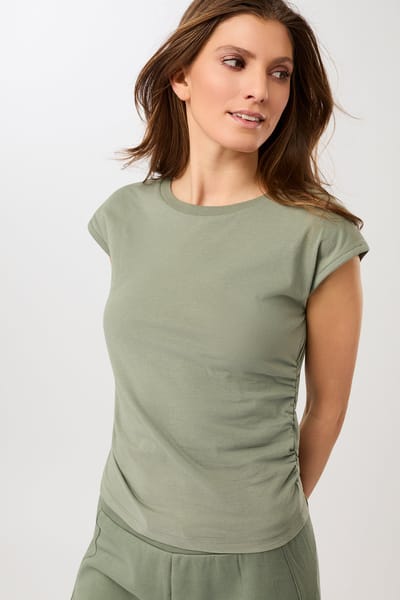
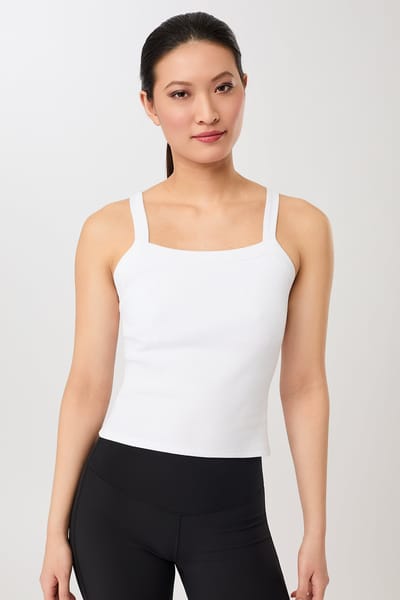
The classic GOTS material is organic cotton. Curious what that looks like on the rack? Here are GOTS-certified pieces:
Live picks: prices and availability updated Sep 25, 2026

What does OEKO-TEX actually check?
If GOTS is a process promise, OEKO-TEX STANDARD 100 is a focused safety test. It answers one question, and answers it well: is anything harmful left in this fabric?
To pass, the finished item and every part of it gets tested: the main fabric, the sewing thread, the print, the buttons and zips. All of it is checked against a long list (more than a thousand) of chemicals known to be harmful, things like formaldehyde, certain dyes, and heavy metals. Those limits get reviewed and tightened every year. And the more a product touches your skin, and the more delicate that skin, the stricter the limits, so baby and toddler clothes face the toughest checks of all.
Here's the part people often miss: STANDARD 100 is not an organic label. It says nothing about how the fiber was grown, how much water the factory used, or how the workers were treated. A shirt made from ordinary, non-organic cotton can carry it, and so can a shirt that's 100% polyester, as long as it passes the chemical test. That isn't a knock on the label. It's just doing a different job: checking the safety of the final product, not the story behind it.
It's also worth knowing that OEKO-TEX is really a family of labels, not one. STANDARD 100 is the common one you'll see, and it's purely about harmful substances. But there's also MADE IN GREEN, which adds checks on eco-friendly, fair factories and gives each item a code you can scan to trace where it was made. That one sits much closer to GOTS in spirit, though even then it doesn't require the fibers to be organic.
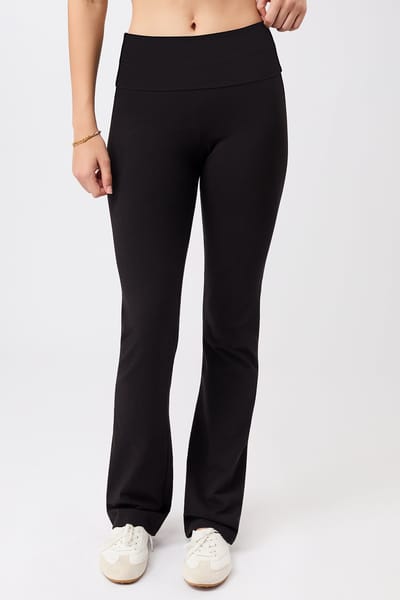
Want pieces that have passed this kind of testing? Here's OEKO-TEX STANDARD 100 cotton:
GOTS vs OEKO-TEX at a glance
The same process-versus-product split runs through every real difference between them. Here it is in one view:
| What you're asking | GOTS | OEKO-TEX STANDARD 100 |
|---|---|---|
| In one line | Organic and responsibly made, farm to finish | The finished item tested free of harmful chemicals |
| Does it require organic fibers? | Yes | No |
| What it covers | The whole supply chain: fiber, dyeing, sewing, labeling | The finished product and all its parts (a lab test) |
| Rules on processing chemicals and wastewater? | Yes | Not in STANDARD 100 (yes in MADE IN GREEN) |
| Rules on fair pay and working conditions? | Yes | Not in STANDARD 100 (yes in MADE IN GREEN) |
| Can a 100% polyester item earn it? | No | Yes, if it passes the chemical test |
| Best if you want… | Organic, ethical and eco, top to bottom | Reassurance the item is safe to wear |
Which label should you look for?
It depends on what matters most to you, so match the label to your priority.
If you want the full picture (organic fibers, cleaner chemistry, fair factories), look for GOTS. It's simply the higher bar, and it's the one to trust when "responsibly made" is the whole point.
If your concern is narrower ("I just don't want harmful chemicals sitting against my skin"), OEKO-TEX STANDARD 100 is a solid, reassuring check, and it shines for the products that spend the most time on your body: underwear, bedding, and especially baby clothes.
And if you can find both on the same product, that's the gold standard. The two overlap by design: GOTS works to keep harmful substances out from the very start, while OEKO-TEX confirms they aren't there at the end. Together they cover ground neither quite manages alone.
A quick word on skin, since it's often the real reason people care about any of this. When clothes feel itchy or irritating, the fabric itself is rarely the true culprit; more often it's leftover dyes or finishing chemicals. That's exactly the kind of residue OEKO-TEX caps, and it's part of why many people find natural fibers reassuring, since they tend to skip some of the harsher dyes used on synthetics. If your skin is reactive, washing new clothes before the first wear is a sensible habit on top of any label.
If you're building a lower-chemical, more natural wardrobe, the fibers themselves are a good place to start: see our guide to natural fiber clothing, and for hot weather, linen vs cotton for summer. To shop by verified fiber content, see the best organic cotton t-shirts or browse linen.
Labels exist to spare you from taking a brand's word for it. GOTS and OEKO-TEX are two of the most trustworthy out there, because independent inspectors stand behind them; they just vouch for different things. Pick the one that fits what you care about, and when you're unsure, remember that the presence of either label already puts a garment well ahead of the unlabeled pile.
Sources & further reading
Global Organic Textile Standard (GOTS): official standard documents and website. OEKO-TEX: official information on STANDARD 100 and MADE IN GREEN.
This article is general information, not medical advice.
Frequently asked questions
Is OEKO-TEX the same as organic?
No. OEKO-TEX STANDARD 100 is a chemical-safety test, not an organic label. It checks that the finished item is free of harmful residues, but it says nothing about whether the cotton was grown organically. If organic is what you're after, look for GOTS, or OEKO-TEX's separate ORGANIC COTTON certification, which does verify organic farming.
Does GOTS mean there are no chemicals in my clothes at all?
Not quite, and no real fabric is truly "chemical-free." What GOTS means is that the chemicals used in processing had to pass strict environmental and health checks, that a long list of hazardous ones is banned outright, and that factories must treat their wastewater. So it's about controlling and cleaning up the chemistry, not pretending it doesn't exist.
Can a polyester shirt be OEKO-TEX certified?
Yes. OEKO-TEX STANDARD 100 tests for harmful residues no matter what the fabric is made of, so a fully synthetic item can pass. That same shirt could not be GOTS certified, though, because GOTS is built around organic natural fibers in the first place.
Which certification is more trustworthy?
Both are independent, third-party labels that get re-checked regularly, so neither is for show. They're simply not measuring the same thing. GOTS is broader and stricter about how a product is made; OEKO-TEX STANDARD 100 is focused and reliable about whether the finished item is chemically safe. For the strongest assurance, look for both.
What about the OEKO-TEX "MADE IN GREEN" tag I've seen?
MADE IN GREEN is OEKO-TEX's fuller label. On top of the harmful-substance testing, it requires the factories to meet environmental and fair-working standards, and it gives the item a code you can scan to trace where it was made. It lands closer to GOTS in scope, though unlike GOTS it still doesn't require the fibers to be organic.
About the editor
Urša Satler is the founder of Purefect Choice, an online non-toxic goods shop in Slovenia. She stocks what she and her family actually need and use themselves, chosen on material composition and certification.
She started MaterialFilter for a plainly selfish reason: she was tired of checking labels in shops one garment at a time, and tired of hunting for fibre content buried five clicks deep on a product page, usually to discover that a beautiful dress was mostly polyester. MaterialFilter does that checking once, up front, so the composition is the first thing you see instead of the last thing you find.
She sets the standard this site scores against and owns its editorial direction. What she brings to it is the habit of reading a composition label before anything else (daily, for her own family and the shop she runs) and one rule that keeps that habit honest: every claim on MaterialFilter is meant to be checkable against a certification body's own public register, so you never have to take her word for it.