Organic Cotton
Updated Aug 19, 2026 1 min read
Edited by Urša Satler
Organic cotton is conventional cotton grown without synthetic pesticides, synthetic fertilisers, or genetically modified seed. The fiber itself, the spinnable cellulose strand, is identical to conventional cotton. The difference is everything that happens before the boll is picked.
Why it matters
Conventional cotton is one of the most chemically intensive crops grown at scale. Organic certification removes that load from the field, which protects farm workers and watercourses near the farm. Organic cotton uses more water per kilogram on average, but the comparison is contested and depends heavily on whether the farm is rain-fed or irrigated.
How it wears
Organic cotton spins, weaves, and washes the same as conventional cotton. A 100% organic cotton t-shirt at 200 gsm will feel the same as a 100% conventional cotton t-shirt at 200 gsm. The label tells you the agricultural method; it does not tell you the cloth construction.
What to verify
Look for GOTS or OCS on the label. GOTS verifies the full supply chain from fiber to finished garment, including processing chemistry and labour conditions. OCS verifies organic fiber content only.
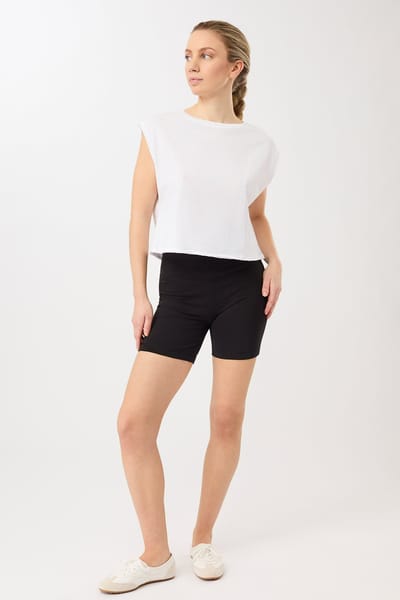
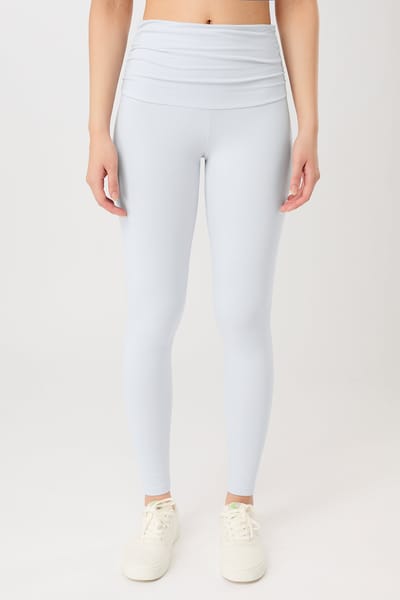
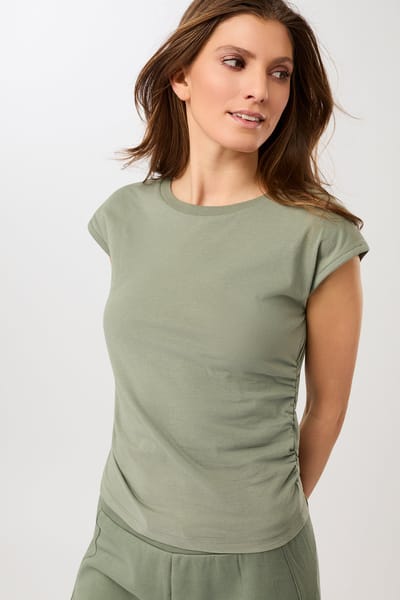
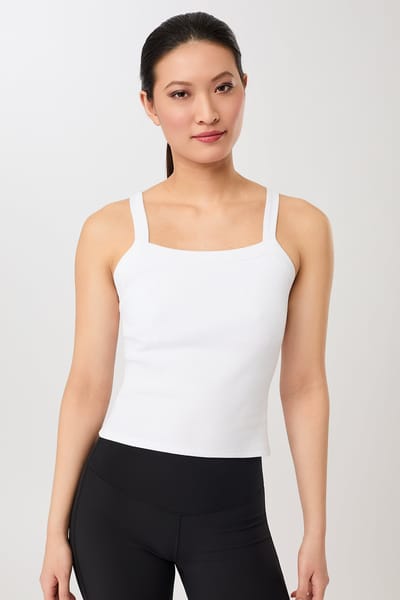
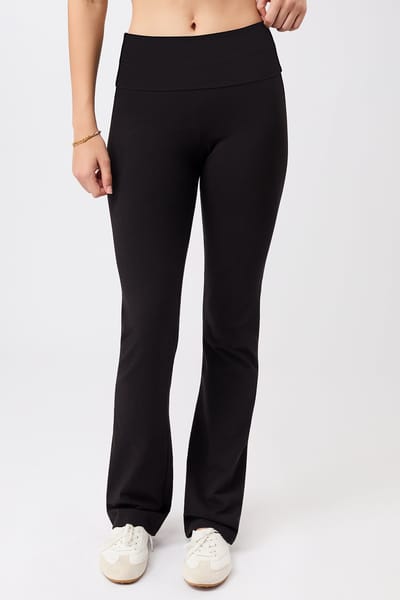
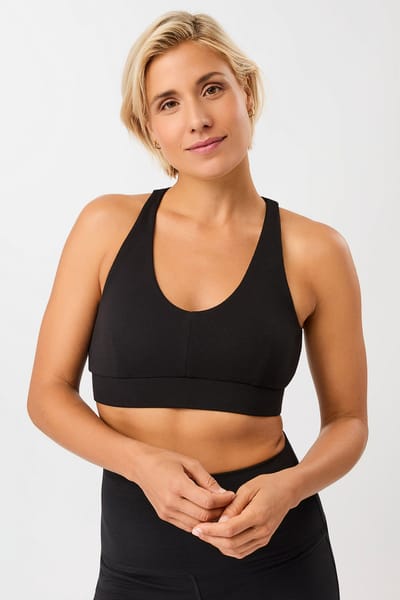
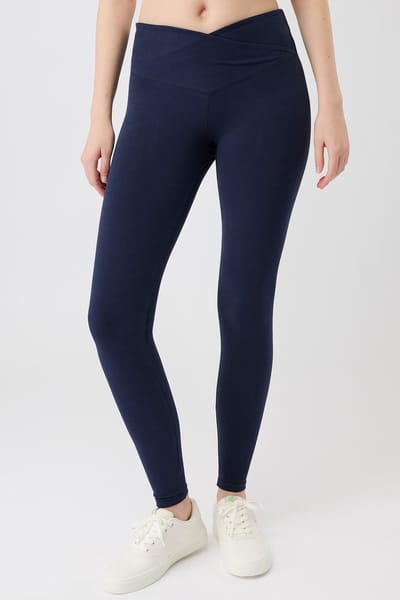
Live picks: prices and availability updated Sep 25, 2026

About the editor
Urša Satler is the founder of Purefect Choice, an online non-toxic goods shop in Slovenia. She stocks what she and her family actually need and use themselves, chosen on material composition and certification.
She started MaterialFilter for a plainly selfish reason: she was tired of checking labels in shops one garment at a time, and tired of hunting for fibre content buried five clicks deep on a product page, usually to discover that a beautiful dress was mostly polyester. MaterialFilter does that checking once, up front, so the composition is the first thing you see instead of the last thing you find.
She sets the standard this site scores against and owns its editorial direction. What she brings to it is the habit of reading a composition label before anything else (daily, for her own family and the shop she runs) and one rule that keeps that habit honest: every claim on MaterialFilter is meant to be checkable against a certification body's own public register, so you never have to take her word for it.