GOTS: Made with Organic Materials
Updated Aug 19, 2026 2 mins read
Edited by Urša Satler
GOTS has two label grades. The higher grade (usually shown as just "organic") requires at least 95% certified-organic natural fiber by weight. The lower grade is "made with organic materials", which requires at least 70%. This page explains the lower grade and when to expect to see it.
Why two grades exist
Some garment categories cannot reach 95% organic fiber for technical reasons. A fitted t-shirt typically needs 3–10% elastane to keep its shape. A pair of socks needs nylon to resist abrasion. These synthetic components are not themselves organic, so a garment relying on them slips below the 95% threshold even when its main fiber is fully organic-certified.
The "made with organic materials" grade allows these mixed-fiber garments to certify provided:
- At least 70% of the fiber by weight is certified-organic natural fiber, AND
- The remaining 30% follows the same chemistry, dye, and labour rules as the higher grade.
What to verify
The processing chemistry and labour audit are identical between the two grades. The only difference is the fiber percentage threshold. A "made with organic materials" t-shirt has been audited end-to-end the same way as an "organic" t-shirt, but it just contains a higher proportion of synthetic fiber, usually for stretch or durability.
The label will state the exact percentage of organic fiber and the GOTS licence number, both verifiable on the GOTS public database.
GOTS-certified clothing in our catalog
178 pieces in our catalog carry GOTS certification, each reaching at least 90% natural content by declared composition.
Live picks: prices and availability updated Sep 10, 2026

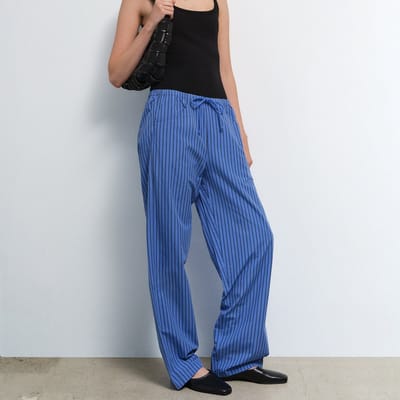
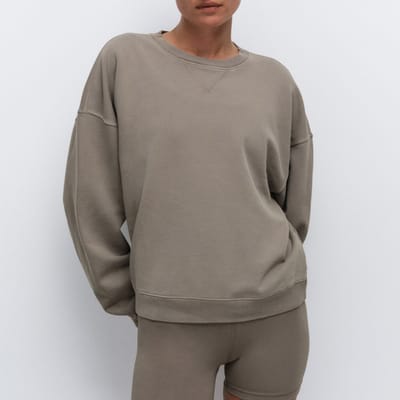
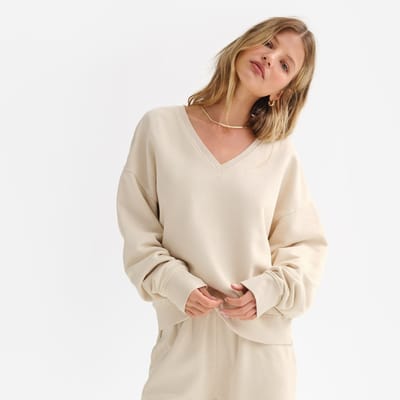
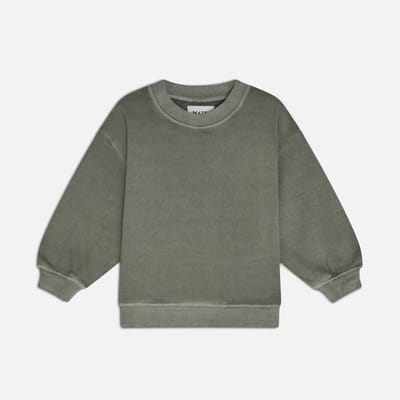

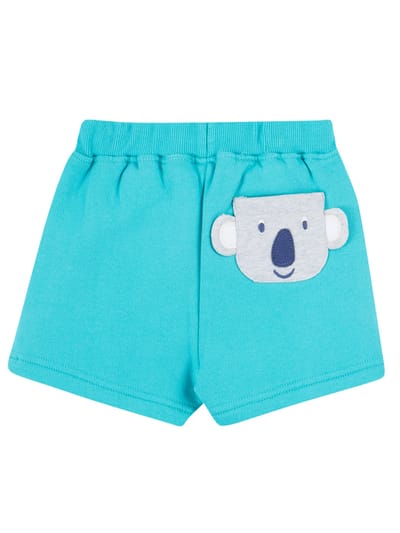
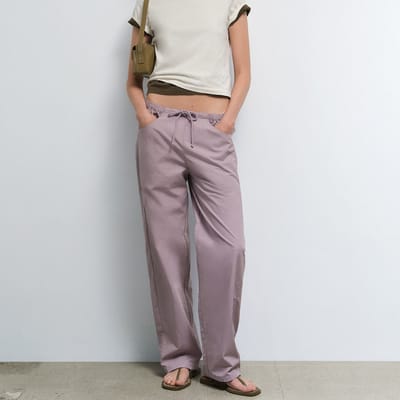
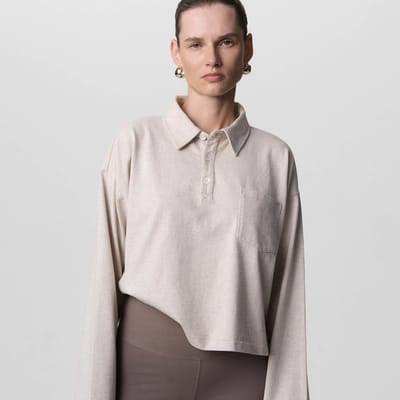
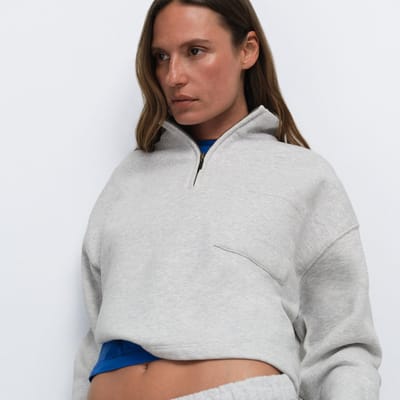
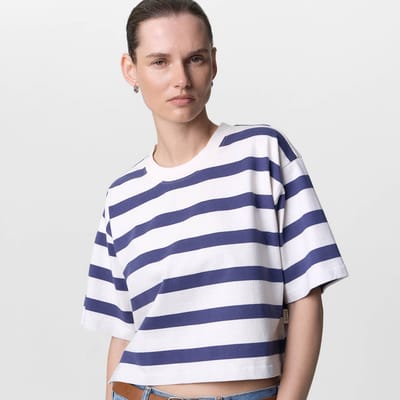
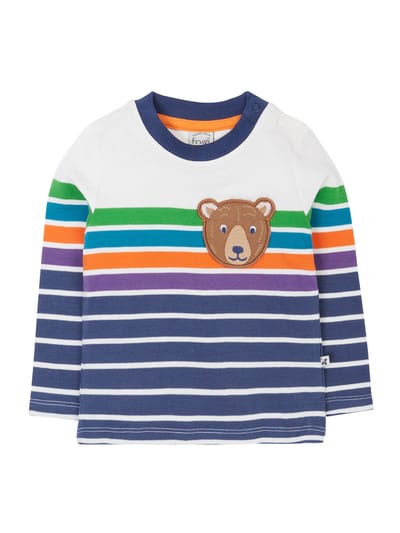
Brands with GOTS-certified pieces here
- MATE the Label (94)
- Mandala (53)
- Frugi (31)
About the editor
Urša Satler is the founder of Purefect Choice, an online non-toxic goods shop in Slovenia. She stocks what she and her family actually need and use themselves, chosen on material composition and certification.
She started MaterialFilter for a plainly selfish reason: she was tired of checking labels in shops one garment at a time, and tired of hunting for fibre content buried five clicks deep on a product page, usually to discover that a beautiful dress was mostly polyester. MaterialFilter does that checking once, up front, so the composition is the first thing you see instead of the last thing you find.
She sets the standard this site scores against and owns its editorial direction. What she brings to it is the habit of reading a composition label before anything else (daily, for her own family and the shop she runs) and one rule that keeps that habit honest: every claim on MaterialFilter is meant to be checkable against a certification body's own public register, so you never have to take her word for it.